









What are the key regulatory bodies for medical devices globally?

The regulation of medical devices globally is managed by various authorities in each country or region, ensuring safety, efficacy, and quality. Here are the key regulatory bodies for medical devices around the world:
1. United States:
- Regulatory Body: U.S. Food and Drug Administration (FDA)
- Key Functions:
- Regulates the manufacturing, labeling, and distribution of medical devices.
- Classifies devices into Class I, II, and III based on risk.
- Requires premarket notification (510(k)) or premarket approval (PMA) for certain devices.
2. European Union:
- Regulatory Body: European Medicines Agency (EMA) and National Competent Authorities
- Key Functions:
- Medical devices are regulated under the Medical Device Regulation (MDR) and In Vitro Diagnostic Regulation (IVDR).
- Devices must obtain a CE marking to demonstrate conformity with EU standards.
- Compliance is assessed by Notified Bodies.
3. Canada:
- Regulatory Body: Health Canada
- Key Functions:
- Classifies devices into Class I, II, III, and IV based on risk.
- Requires manufacturers to follow the Medical Devices Regulations (MDR) and have an ISO 13485-certified quality management system.
4. Japan:
- Regulatory Body: Pharmaceuticals and Medical Devices Agency (PMDA)
- Key Functions:
- Regulates medical devices under the Pharmaceutical and Medical Device Act.
- Collaborates with the Ministry of Health, Labour and Welfare (MHLW).
- Requires device registration and post-market surveillance.
5. Australia:
- Regulatory Body: Therapeutic Goods Administration (TGA)
- Key Functions:
- Regulates medical devices under the Therapeutic Goods Act 1989.
- Devices must be included in the Australian Register of Therapeutic Goods (ARTG).
- Ensures compliance with ISO standards and international agreements.
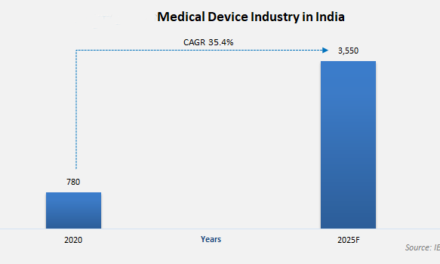
6. India:
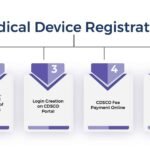
- Regulatory Body: Central Drugs Standard Control Organisation (CDSCO)
- Key Functions:
- Regulates medical devices under the Medical Devices Rules, 2017.
- Classifies devices into Class A, B, C, and D based on risk.
- Oversees licensing, import, and post-market surveillance.
7. China:
- Regulatory Body: National Medical Products Administration (NMPA)
- Key Functions:
- Formerly known as the China Food and Drug Administration (CFDA).
- Classifies devices into Class I, II, and III.
- Requires pre-market registration and post-market surveillance.
8. Brazil:
- Regulatory Body: National Health Surveillance Agency (ANVISA)
- Key Functions:
- Regulates medical devices under the Brazilian Good Manufacturing Practices (B-GMP).
- Requires product registration and compliance with risk-based classification.
9. South Korea:
- Regulatory Body: Ministry of Food and Drug Safety (MFDS)
- Key Functions:
- Regulates medical devices under the Medical Devices Act.
- Requires product registration, clinical evaluation, and post-market surveillance.
10. Russia:
- Regulatory Body: Federal Service for Surveillance in Healthcare (Roszdravnadzor)
- Key Functions:
- Regulates medical devices under the Federal Law on the Circulation of Medicines.
- Requires product registration and periodic re-evaluation.
11. International Collaboration Bodies:
- International Medical Device Regulators Forum (IMDRF):
- A global coalition of regulatory authorities working to harmonize medical device regulations.
- Members include the FDA, EMA, TGA, PMDA, and others.
- Promotes adoption of internationally recognized standards like ISO 13485.
Each regulatory body has unique requirements based on the risk classification, intended use, and nature of the medical device. Manufacturers aiming to market devices globally must understand and comply with the specific regulations of target countries, often necessitating multi-jurisdictional certifications like FDA approval, CE marking, or Health Canada licensing.